
Infertility Treatment
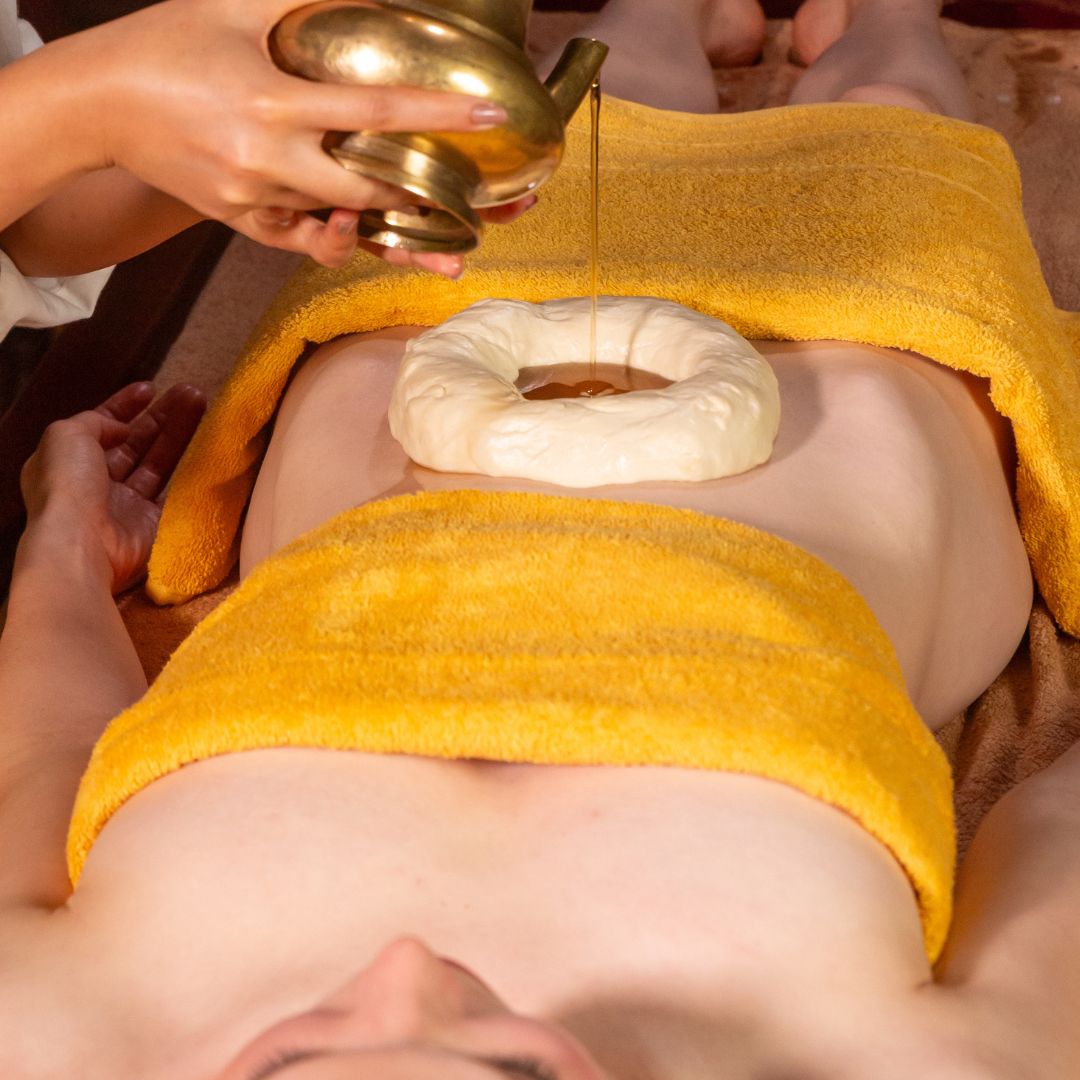
Ayurvedic Approach to Infertility
Ayurveda, the ancient Indian system of medicine, offers a holistic approach to treating infertility. According to Ayurveda, infertility is caused by an imbalance in the body's doshas (vata, pitta, and kapha), which can be corrected through a combination of lifestyle changes, herbal remedies, and dietary modifications.
Dietary modifications
Ayurveda recommends a diet that is rich in nutrient-dense foods, such as fruits, vegetables, whole grains, and lean proteins. It also suggests avoiding processed foods, caffeine, alcohol, and foods that are high in sugar and saturated fats.

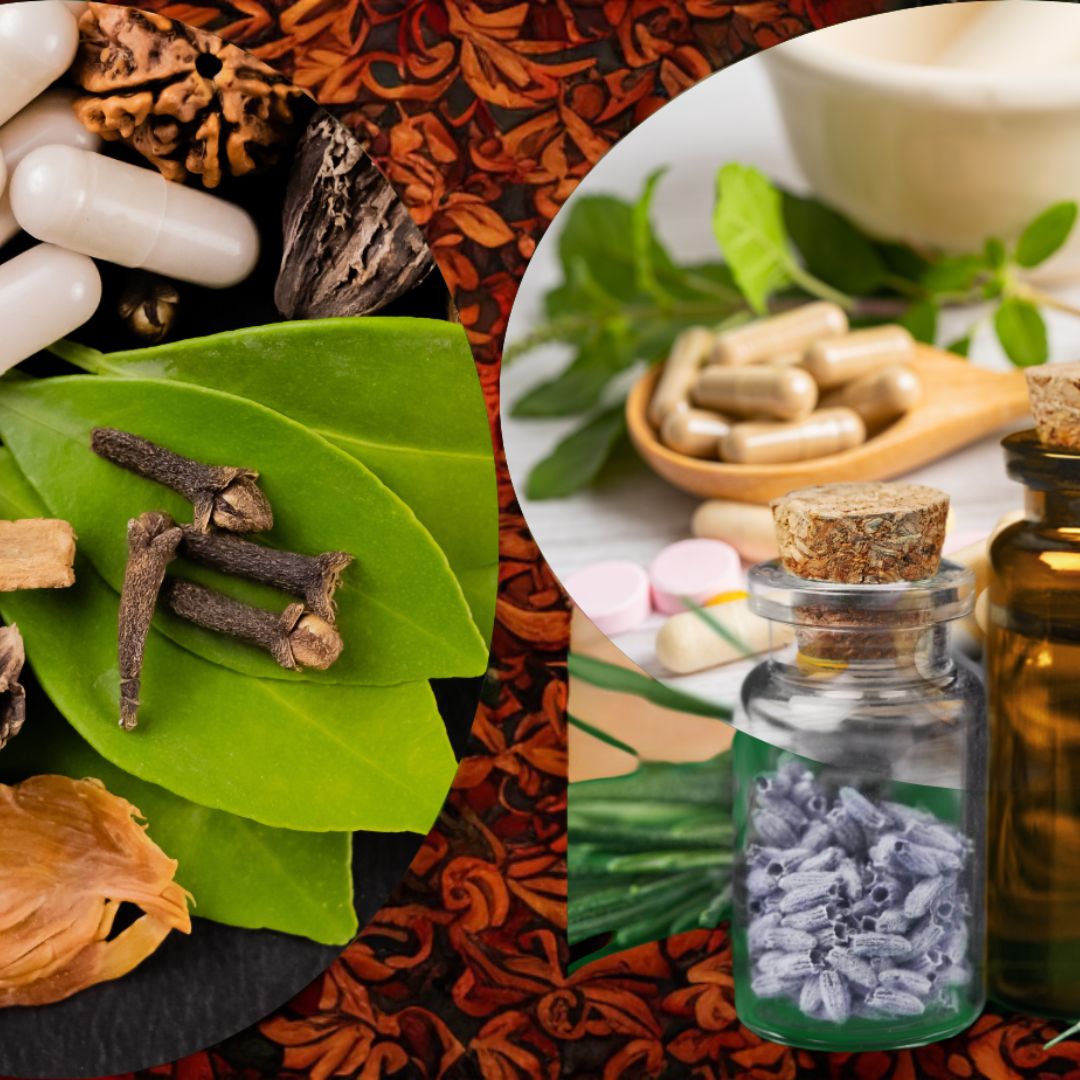
Herbal remedies
Ayurvedic practitioners use a variety of herbs and spices to treat infertility. Sparsha Ayurveda Centre in Budapest, where we celebrate the abundance of Ayurvedic herbs that Kerala (South part of India) has to offer. Nestled in the lush landscapes of Kerala, our region is blessed with a diverse array of Ayurvedic herbs and medicinal plants, cultivated in harmony with nature's rhythms. These precious herbs form the foundation of our traditional Ayurvedic treatments, each one carefully selected for its unique healing properties and therapeutic benefits. Kerala's rich biodiversity provides us with a treasure trove of natural remedies that have been used for centuries in Ayurvedic medicine. These herbs are believed to help balance the body's hormones and improve reproductive health.
Lifestyle changes
Ayurveda emphasizes the importance of a healthy lifestyle in treating infertility. This includes getting regular exercise, reducing stress, and getting enough sleep.

What is Infertility?
- Inability to conceive after one year of unprotected intercourse.
- Affects both men and women.
Causes of Infertility
- Hormonal imbalances
- Structural abnormalities
- Infections
- Environmental factors
- Stress

Panchakarma Therapy
Panchakarma is a detoxification therapy used in Ayurveda to cleanse the body of toxins and restore balance. It involves five therapeutic treatments, including massage, herbal therapy, and cleansing technique. Panchakarma therapy can be used to treat infertility by cleansing the reproductive system and balancing the hormones. The therapy can also improve the quality of the eggs and sperm and increase the chances of conception.
Dietary modifications
Ayurveda recommends a diet that is rich in nutrient-dense foods, such as fruits, vegetables, whole grains, and lean proteins. It also suggests avoiding processed foods, caffeine, alcohol, and foods that are high in sugar and saturated fats.

Lifestyle changes
Ayurveda emphasizes the importance of a healthy lifestyle in treating infertility. This includes getting regular exercise, reducing stress, and getting enough sleep. The right combination of herbs helps in regulating menstrual cycles, enhancing general health and wellness, revitalizing sperm (enhancing a man's sperm count, morphology, and motility), reducing stress, enhancing sleep, controlling anxiety, and increasing energy level, balancing the endocrine system, and improving blood flow in pelvic cavity, thereby promoting fertility.
Please contact us to book your appointment for consultation.
Unerstanding Infertility
- Inability to conceive after one year of unprotected intercourse. Affects both men and women.
- Hormonal imbalances
- Structural abnormalities
- Infections
- Environmental factors
- Stress
Ayurveda, the ancient Indian system of medicine, offers a holistic approach to treating infertility. According to Ayurveda, infertility is caused by an imbalance in the body's doshas (vata, pitta, and kapha), which can be corrected through a combination of lifestyle changes, herbal remedies, and dietary modifications.
Dietary modifications: Ayurveda recommends a diet that is rich in nutrient-dense foods, such as fruits, vegetables, whole grains, and lean proteins. It also suggests avoiding processed foods, caffeine, alcohol, and foods that are high in sugar and saturated fats.
Herbal remedies: Ayurvedic practitioners use a variety of herbs and spices to treat infertility, including ashwagandha, shatavari, and gokshura. These herbs are believed to help balance the body's hormones and improve reproductive health.
Lifestyle changes: Ayurveda emphasizes the importance of a healthy lifestyle in treating infertility. This includes getting regular exercise, reducing stress, and getting enough sleep.
Dietary Changes
- Increase intake of fresh fruits and vegetables
- Incorporate Ayurvedic herbs and spices into meals
- Reduce consumption of processed foods and refined sugar
- Include healthy fats such as nuts, seeds, and avocados
- Ensure adequate protein intake through plant-based sources.
Lifestyle Changes
- Reduce stress through yoga and meditation
- Engage in regular exercise to maintain a healthy weight
- Get adequate sleep and rest
- Avoid smoking and excessive alcohol consumption
- Limit exposure to environmental toxins and pollutants.
- Infertility itself does not stand alone. It is the result of some other disease. So, the herbs used in the treatment are directed towards eradicating the underlying cause. The most known and used herbs such as Ashwagandha (Withania somnifera), Shatavari (Asparagus racemousus), Amalaki (Emblica officinalis) are extremely useful formulations which help create the synergistic hormonal balance between the Follicle Stimulating Hormone (FSH) and the Luteinizing Hormone (LH).
- No individual herb alone is considered useful for promoting fertility. Therefore, a combination of herbs is used in the treatment of infertility with the purpose of correcting an organic or functional problem that causes infertility.
- Ovulation disorder - Ashoka, Dashmoola, Shatavari, Aloe vera, Guggulu etc.
- Premature ovarian failure (POF) - Ashoka, Dashmoola, Shatavari, Guduchi, Jeevanti etc.
- Blocked fallopian tubes, adhesions (scar tissue) and pelvic inflammatory. Shatavari - supports the female reproductive system and improves egg quality
The right combination of herbs helps in regulating menstrual cycles, enhancing general health and wellness, revitalizing sperm (enhancing a man's sperm count, morphology and motility), reducing stress, enhancing sleep, controlling anxiety and increasing energy level, balancing the endocrine system and improving blood flow in pelvic cavity, thereby promoting fertility.
Panchakarma is a detoxification therapy used in Ayurveda to cleanse the body of toxins and restore balance. It involves five therapeutic treatments, including massage, herbal therapy, and cleansing techniques.
Panchakarma therapy can be used to treat infertility by cleansing the reproductive system and balancing the hormones. The therapy can also improve the quality of the eggs and sperm and increase the chances of conception.
- Cleanses the reproductive system
- Balances hormones
- Improves quality of eggs and sperm
- Increases chances of conception.
Here are some real-life success stories of patients who have undergone Ayurvedic infertility treatment.
Case Study 1
Mrs. and Mr. Igor Goldengur had been trying to conceive for over 3 years. They had tried various treatments but with no success. They came to our clinic and underwent Ayurvedic infertility treatment. Within 6 months, Mrs. Sharma was pregnant and gave birth to a healthy baby boy.
Case Study 2
Mrs. and Mr. Antony had been trying to conceive for over 7 years. They had lost hope and were considering adoption when they heard about our Ayurvedic infertility treatment. After undergoing the treatment, Mrs. Singh became pregnant and gave birth to a healthy baby girl.
Case Study 3
Mrs. and Mr. Patel had been trying to conceive for over 3 years. They had tried various treatments but with no success. They came to our clinic and underwent Ayurvedic infertility treatment. Within a year, Mrs. Patel was pregnant and gave birth to a healthy baby boy.